Building Trust and Support Before Development
Getting people to put their money behind an unfinished game is not always easy. And so, before developers can raise funds through crowdfunding, they usually need to convince potential supporters that the project is worth believing in and that they can actually deliver what they are promising. This would usually involve clearly presenting the game idea, explaining what the funding will be used for, and setting realistic expectations from the beginning.
Managing Backer Expectations After Funding

It’s a major achievement when a developer successfully reaches a crowdfunding goal. But then, that success comes with responsibilities. Once people have contributed their money, they naturally want to see the project move forward and eventually receive what they supported.
Development, however, does not always go exactly as planned. Delays, unexpected costs, technical problems, and changes to the original idea can all happen.
And so developers have the responsibility of managing the situation by communicating with backers and balancing their development realities with the expectations of the people who supported their projects.
Keeping Supporters Informed Throughout Development
Once a project is funded, supporters will often want to know how development is progressing, what the team is working on, and whether there have been any major changes. At this juncture, transparent development updates and communication are crucial. Developers can use progress reports, screenshots, videos, development diaries, etc to keep their communities informed.
Using Crowdfunding to Build a Lasting Community
As already mentioned, crowdfunding can provide developers with more than money. It can also give them access to a group of people who are already interested in their game and willing to follow its development.
That community can also be a valuable source of feedback, encouragement, visibility, and potential players even after the crowdfunding campaign has ended.
Marketing an Indie Game in a Crowded Market
Getting a game funded is one challenge. Getting people to notice it is another. Independent developers often have to market their games without the large budgets and dedicated marketing teams available to major studios. This often involves relying on social media, trailers, demos, development updates, community engagement, press coverage, and other ways of attracting attention.
Exploring Digital Publishing Opportunities for Small Studios
Crowdfunding can help developers finance their games, but they still need a way to get those games in front of players. Digital publishing has made this considerably easier, as small studios can now distribute their games without depending entirely on traditional publishing and physical distribution.
But while digital publishing has given independent developers access to players across different markets, it has also come with the challenges of discoverability and competition.
Comparing Kickstarter, Patreon, and Other Modern Funding Models
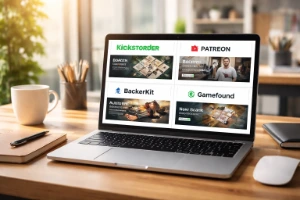
Different platforms and approaches give developers different ways to raise or receive financial support. For example, a platform like Kickstarter uses a campaign-based model where developers set a funding goal and a deadline, present their project to potential backers, and raise money toward that specific goal. Patreon, on the other hand, is built more around ongoing support, allowing creators to receive recurring contributions from people who want to support their work over time.
There are also platforms like BackerKit and Gamefound with different crowdfunding approaches, which can give developers alternative ways to raise money for their projects.
Crowdfunding & Game Publishing at Indie Game Development Review
At Indie Game Development Review, we explore all these aspects of crowdfunding and game publishing to provide a clearer picture of how independent developers can fund, develop, promote, and ultimately bring their games to players. Our goal is to provide all the information you need to better understand the opportunities available in the indie game development space, how they work, and the challenges that can come with them.