What We Cover
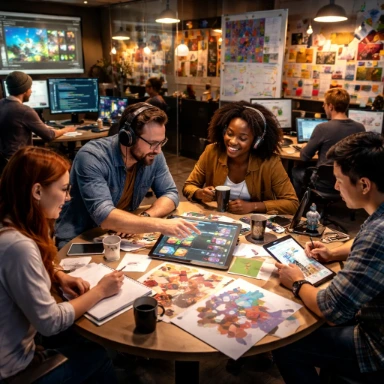
Independent game development brings together creative design, programming, art, sound, project management, marketing, financing, and community building. Small studios and solo developers often have to manage several of these responsibilities at the same time, making the production process very different from that of a large publisher-backed project.
Topics covered by Indie Game Development Review include:
- Independent game production and development stages
- Game development workflows and project organization
- Crowdfunding and alternative funding models
- Digital publishing and distribution
- Community building and player feedback
- Experimental games, prototypes, and side projects
- Budget, scheduling, and production challenges
- Post-launch updates and long-term game support
The publication also examines how development methods continue to change as new tools, storefronts, funding platforms, and player communities influence the way independent games are created and released.
Our Editorial Approach
Our articles are intended to explain game development without assuming that every reader has professional experience in the industry. Technical and business topics are presented in straightforward language while still giving enough context to understand why particular development decisions matter.
Indie Game Development Review is not a game studio, publisher, crowdfunding platform, or digital storefront. Its purpose is informational. Coverage may discuss development strategies, publishing models, production experiences, and industry trends, but these discussions are designed to help readers understand the broader independent development landscape rather than promote particular products or services.
Why Independent Development Matters
Independent developers have played an important role in expanding the types of games available to players. Smaller teams can experiment with unusual mechanics, specialized genres, unconventional visual styles, and subjects that may be difficult to pursue within larger commercial productions.
At the same time, independence brings substantial risks. Limited budgets, changing schedules, technical problems, funding uncertainty, and audience expectations can determine whether a project reaches release. By examining both successful approaches and common difficulties, Indie Game Development Review provides a broader view of what it actually takes to bring an independent game from concept to launch.